25 years after 9/11, research reveals lasting effects on World Trade Center responders
PR Newswire
MIAMI, Aug. 25, 2026
FIU researcher continues studying the long-term effects of toxic exposures and psychological trauma as responders age
MIAMI, Aug. 25, 2026 /PRNewswire/ -- Twenty-five years after 9/11, FIU researcher Dr. Roberto Lucchini is still working with World Trade Center responders to understand how the toxic exposures and psychological trauma they experienced may affect their health decades later.
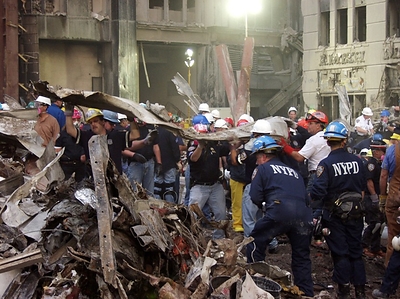
Lucchini has spent years studying the long-term health of 9/11 responders and now leads research at FIU involving responders who have relocated to Florida.
One study he co-authored offers a window into why that work remains important. The research, published in Translational Psychiatry, found that responders with chronic post-traumatic stress disorder, or PTSD, showed signs of accelerated brain aging.
On average, their brains appeared about three years older than their chronological age. The findings suggest PTSD may be a risk factor for accelerated brain aging among people exposed to severe trauma.
"We are concerned that, ultimately, the complexity of the exposure years later can trigger cognitive decline," said Lucchini, co-author of the study and professor of occupational and environmental health sciences at FIU's Robert Stempel College of Public Health & Social Work. "That means losing memory and the ability to concentrate."
About 23% — nearly one-quarter — of the men and women who participated in rescue and recovery efforts at the World Trade Center site experience persistent, clinically significant PTSD, according to the study. The findings add to a growing but still developing body of research suggesting that PTSD may be associated with accelerated aging, including evidence from neuroimaging, gene-expression and DNA-methylation studies.
Researchers analyzed MRI scans from 99 World Trade Center responders in their mid-50s: 47 with chronic PTSD and 52 without it. To estimate biological brain age, researchers used a deep-learning model inspired by the way neurons in the human brain are connected. By learning patterns from more than 11,000 MRI scans, it can estimate how old a person's brain appears.
Among responders with PTSD, estimated brain age was an average of about three years older than chronological age. Brain age was slightly younger than expected among responders without PTSD.
The researchers also found that the amount of time responders spent working at the World Trade Center site influenced the relationship between PTSD and accelerated brain aging.
For Lucchini, the research is part of a broader effort to understand health effects that can emerge decades after a disaster. World Trade Center responders faced an unusual combination of hazards. They were exposed to a massive cloud of dust and debris containing carcinogens, neurotoxic substances and other contaminants while also experiencing the intense psychological trauma of rescue and recovery work.
At FIU, Lucchini leads research involving World Trade Center responders who relocated to Florida. His work examines the long-term effects of toxic exposures and psychological trauma, including PTSD, sleep disturbances and possible cognitive decline.
Lucchini said the recent earthquakes in Venezuela and Colombia are reminders that those lessons extend far beyond Sept. 11. When buildings collapse, rescue workers can face exposure to potentially hazardous dust and materials while also confronting the psychological trauma of searching for victims and recovering bodies and human remains.
"The sights, smells and other sensory memories can stay with responders for a very long time," Lucchini said. "Those are the same memories I have heard repeatedly from 9/11 responders and volunteers. They can cause long-lasting psychological trauma, even among people who are trained for disaster response."
Understanding how physical exposures and psychological trauma can interact over time could help researchers and public health officials better anticipate the long-term consequences of future disasters.
"Do not underestimate the potential health problems, physical and mental, that can be generated by any type of disaster, even decades after it occurs," Lucchini said.
Photos and videos for media use are available via Dropbox. A media asset guide featuring select quotes, timestamps and other metadata is also available.
FIU experts are available to provide analysis on how the aftermath of 9/11 continues to shape the country and global affairs today, including terrorism and the evolution of U.S. national security and foreign policy. A list of experts can be found on this page.
Media Contact:
Jonathan Ruadez
(305) 348-4670
jruadezn@fiu.edu
news.fiu.edu
@FIU

 View original content to download multimedia:https://www.prnewswire.com/news-releases/25-years-after-911-research-reveals-lasting-effects-on-world-trade-center-responders-302859751.html
SOURCE Florida International University

