
Discover how to choose a reliable roofing contractor and find the right expert for metal roofing.
Pensacola, United States - July 7, 2025 / Southeast Roofing & Construction /
Highlights
Research & referrals: Reviews (Google, BBB, Angie’s List), plus recommendations from friends, neighbors & HOAs.
Verify credentials: Look for local licensing, insurance, manufacturer certifications.
Meet multiple contractors: Compare written, detailed estimates and communication style.
Check red flags: Avoid high-pressure tactics, vague quotes, lack of local presence.
Metal roofing benefits: Durable (40–70 years), energy-efficient, recyclable—choose a metal‑specialist for quality results.
Choose a well-reviewed metal‑roofing contractor: One with strong online reviews and recognized expertise in metal systems.
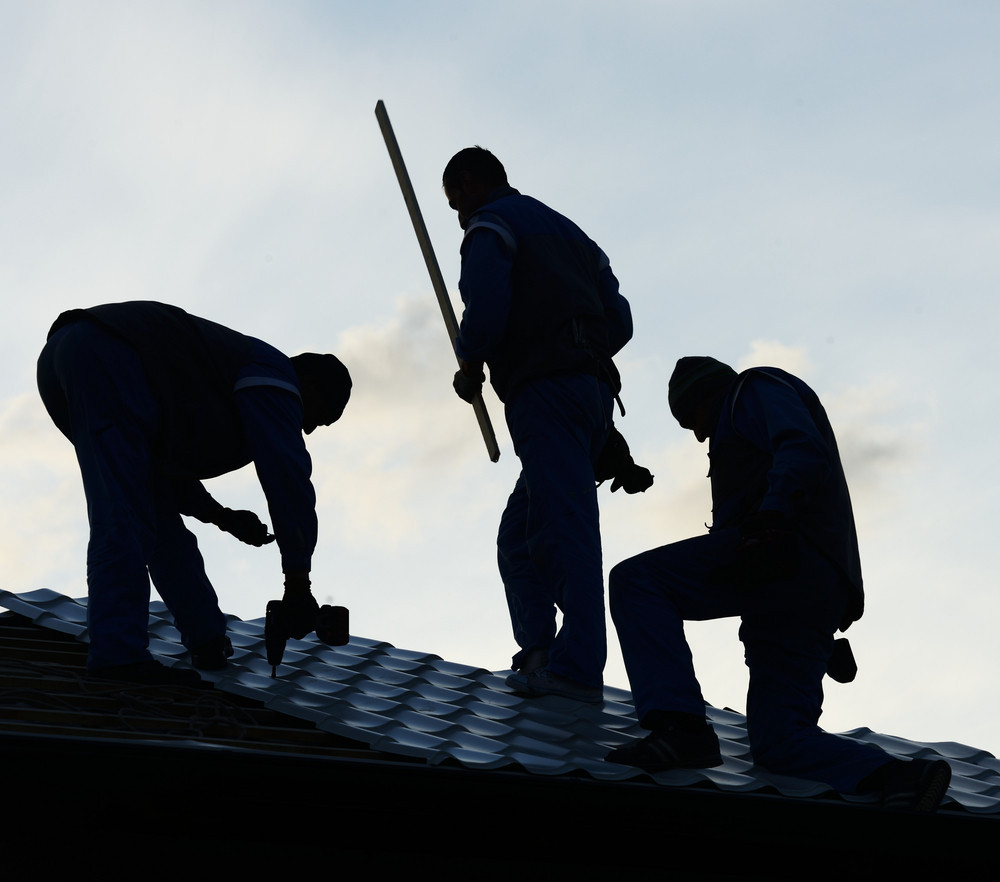
How do I choose a reliable roofing contractor?
Selecting the right roofer is a critical decision—your roof protects your home, your investment, and your loved ones. Here are the essential steps to ensure you hire a trustworthy, professional contractor.
1. Start with research and referrals
Begin by searching online for roofing contractors in your area. Check Google Reviews, Angie’s List, and the Better Business Bureau to identify consistent patterns—look for companies with numerous recent positive reviews and responses to negative feedback, which shows accountability.
Next, ask neighbors, friends, family, or your HOA for recommendations. Personal referrals often provide reliable insights—learn about costs, timelines, workmanship quality, and communication experience.
Also explore manufacturer certifications—brands like GAF or CertainTeed maintain lists of certified contractors in your region. Such affiliations mean specialized training and adherence to installation standards .
2. Verify credentials and local presence
Once you’ve built a short list, verify each contractor’s credentials. Ensure they have:
A valid local license
Proof of insurance (liability & workers' comp)
Manufacturer certifications, especially for metal roofing
Additionally, confirm they have a proper local address and phone number. A brick-and-mortar presence suggests permanence and accountability—fleeting “fly-by-night” companies often lack these basics.
Review BBB accreditation and online dispute resolution history. Look for any unresolved complaints—these can signal potential problems. A reliable contractor will willingly share license numbers and proof of insurance.
3. Meet multiple contractors and request detailed quotes
Schedule at least three in-person consultations. A reliable contractor will:
Inspect your roof thoroughly
Provide a written, itemized estimate
Be transparent about scope, materials, labor, warranties, and timelines
Beware of vague quotes like “roof replacement, $X.” Instead, ensure each estimate lists materials (shingles/metal panels, underlayment, flashing, ventilation, tear-off vs. overlay), labor, and clean-up costs.
Don’t choose based solely on price—extremely low bids may indicate cutting corners or subpar materials. Instead, evaluate value: proper materials, solid warranty, professionalism, and communication are more important than bargain pricing.
4. Watch for red flags & ask the right questions
Avoid contractors who use high-pressure tactics—door-to-door pitches, urgent-only-today deals, and discounts that disappear quickly are warning signs .
Ask each contractor:
Can I see examples of your previous work?
Who specifically will do the installation?
What manufacturer warranties are included?
How will you protect my landscaping and exterior?
What’s the timeline, payment schedule, and cleanup process?
If answers are evasive or communication is poor, walk away. A reliable contractor will be professional, respectful, prompt, and thorough. Track responsiveness from the first inquiry through follow-up—this is indicative of how they’ll manage your project.
5. Choosing a metal-roofing specialist
If you’re considering metal roofing, your contractor must have metal‑specific experience. Metal roofs are durable, lasting 40–70 years, highly reflective, recyclable, and energy‑efficient. They resist fire, hail, and winds better than asphalt shingles. But installation requires precision—standing seams, fasteners, underlayment, and flashing must be installed correctly to prevent leaks or noise.
Look for a contractor who:
Provides metal‑roof warranties and manufacturer certifications
Showcases completed metal‑roof installations
Explains pros/cons: higher upfront cost, potential noise, expansion/contraction
Choose a well-reviewed contractor specializing in metal roofing—they’ll help you select the right metal type (steel, aluminum, copper), style, and color for your home.
6. Final checks before signing
Before signing:
Verify licensing and insurance again
Confirm permit responsibilities
Ensure the payment plan includes holdbacks until satisfactory completion
Ask for lien waivers to protect your property from subcontractor claims
Review warranty documentation
Avoid paying the full amount upfront. A fair schedule typically includes a deposit, progress payments, and a final payment upon cleanup and inspection.
Once the contract is signed, schedule the project. During installation, keep communication open—your contractor should provide updates and address any concerns promptly.
7. After-installation steps
After completion:
Inspect the finished roof with your contractor
Ensure cleanup is thorough—no nails or debris in yard
Test gutters, flashing, vents, attic ventilation
Collect all warranty documents, maintenance guides, and receipts
Register any manufacturer warranties and note warranty start dates. Schedule periodic roof inspections, especially after storms.
Why metal roofing deserves a specialist
Metal roofing isn't like shingles. The panels expand and contract, fasteners need proper torque, flashings must be fabricated accurately, and underlayment must cushion noise. A specialist ensures all materials are installed correctly to prevent leaks, squeaks, and premature wear.
Benefits confirmed by experts:
Metal roofs can reduce summer cooling costs by 10–25%
They are largely recyclable, with up to 95% reflective capacity maintained over time
Ask your contractor how they minimize noise—correct insulation and underlayment make a big difference .
Choosing a roofing contractor is about research, credentials, comparisons, and specialization. Gather recommendations, verify local licensing, get detailed written quotes, meet multiple contractors in person, and watch for red flags. For metal roofing, always choose a specialist with certifications, past work, and warranty expertise. Professional installation ensures durability, energy savings, and peace of mind—protecting your home for decades.

Contact Information:
Southeast Roofing & Construction
9531 N Palafox St
Pensacola, FL 32534
United States
Michael Parsons
https://www.southeastroofingandconstruction.com/

