
Turmeric Research Expands in Inflammation and Brain Health Studies
Canyon Lake, United States - March 19, 2026 / Me First Living /
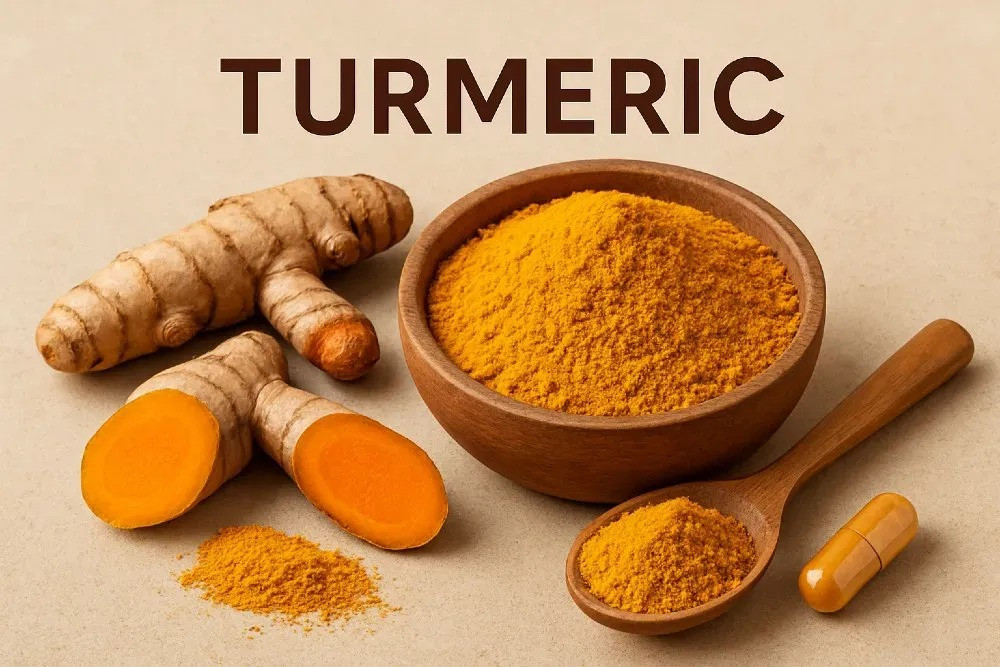
As interest in natural wellness and nutrition science continues to grow, turmeric and its primary active compound, curcumin, are receiving increased attention from researchers studying inflammation and cognitive health. Long used in traditional practices, turmeric is now one of the most widely studied botanical ingredients in modern scientific literature.
Curcumin, the compound responsible for turmeric’s distinctive color, has been the focus of numerous studies examining its interaction with biological pathways related to inflammation and oxidative stress. While turmeric is not a treatment or cure for medical conditions, its biochemical properties have made it an important subject of research in areas connected to whole-body wellness.
A growing body of research is exploring how curcumin interacts with inflammatory signaling pathways. Inflammation is a natural process that helps the body respond to injury or stress, but long-term or chronic inflammation has become an area of increasing scientific interest. Researchers are examining how various compounds, including curcumin, may influence markers and pathways associated with these responses. More information on this topic can be found in this overview of turmeric for chronic inflammation, which explores how turmeric compounds are being studied in relation to inflammatory processes.
In addition to inflammation, turmeric has also become a subject of interest in cognitive and neurological research. Scientists continue to investigate how oxidative stress and inflammation may influence brain function over time, and how compounds with antioxidant properties may interact with these systems. Curcumin’s potential role in these areas has contributed to its growing presence in discussions around cognitive wellness and brain health.
Research into brain function often focuses on how biological systems related to inflammation and oxidative stress affect memory, focus, and overall mental clarity. Curcumin has been studied for its interaction with these systems, particularly in the context of cellular signaling and neuronal communication. This expanding area of study is reflected in resources such as this guide to turmeric brain health, which outlines current areas of scientific exploration related to cognitive wellness.
As scientific interest continues to expand, turmeric remains a focal point in broader discussions about nutrition, lifestyle, and long-term wellness. Researchers across multiple disciplines are working to better understand how natural compounds like curcumin interact with complex biological systems, and how these interactions may relate to overall health.
Me First Living has developed a comprehensive educational resource designed to help readers better understand turmeric and its role in modern research. The company’s in-depth guide to turmeric benefits provides a detailed overview of the science, historical use, and ongoing studies surrounding turmeric and curcumin.
As interest in holistic wellness continues to rise, turmeric’s long-standing history combined with modern research ensures that it will remain a key topic of scientific exploration. Ongoing studies are expected to further clarify how curcumin interacts with inflammation, oxidative stress, and cognitive processes, contributing to a deeper understanding of this widely used natural compound.

Contact Information:
Me First Living
1885 FM 2673, Suite H31
Canyon Lake, Texas 78133
United States
Joy Wallace
+1 (844) 344-6488
https://mefirstliving.com
