Understood.org Research Reveals Critical Gaps in Support for Women With ADHD
PR Newswire
NEW YORK, March 31, 2026
Despite a recent boom in diagnosis, the report cites a quiet struggle marked by misdiagnosis, shame and mental health risks
NEW YORK, March 31, 2026 /PRNewswire/ -- Understood.org today released findings from its comprehensive research, "Missed, misread, and misdiagnosed: Current state of women with ADHD," which quantifies the urgent, unmet needs of women with ADHD and critical trends, particularly for BIPOC1 women and mothers.
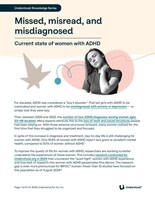
For decades, ADHD was wrongly considered a "boy's disorder." Girls were overlooked. And women were misdiagnosed with conditions like anxiety or depression.
The COVID-19 pandemic may have caused a shift. The loss of external structures forced many women to confront their struggles with organization and focus. The number of new ADHD diagnoses among women ages 23–49 doubled between 2020 and 2022.
"Despite an increase in diagnosis, research on neurodivergent women, including those with ADHD, remains extremely limited. And the gaps are even wider for BIPOC women," said Justine Bassman, vice president of insights and external research at Understood.org. "Women with ADHD have been overlooked for far too long. They deserve support that reflects their lived experiences, and research is an essential step toward building it."
The hidden reality of women living with ADHD
Understood.org's multi-method study included analysis of 1.2 million online conversations of women about ADHD by Human Dot Plus, a survey of 846 girls and women conducted by F'inn, and a comprehensive literature review. This work uncovered major trends for women with ADHD:
- Most women with ADHD live with at least one other mental health condition. A staggering 72% have more than three other conditions, and 31% have more than six. And 44% of women are first diagnosed with another condition, like anxiety and depression. This leads to long delays before ADHD is properly diagnosed.
- Misunderstanding contributes to poor mental health. 89% of women with ADHD report damaged self-confidence from misattributing their neurobiological symptoms to character flaws. This is a hallmark of the female ADHD experience, contributing to severe mental health risks: 23.5% of women with ADHD reported a lifetime history of suicide attempts, significantly higher than the 8.5% among men with ADHD.
- The mind-body connection is often ignored. Weight stress is widespread and starts young; eating disorders are 3.6 times more common in girls with ADHD than in other girls. Sleep issues are also common. Among adults with ADHD, 60% screen positive for a sleep disorder. Yet most women receive little to no guidance on managing sleep.
- Disparities are intensified for BIPOC women. BIPOC women with ADHD face additional challenges, such as greater stigma and systemic barriers to information. Black women face 73% higher odds of receiving a conduct disorder diagnosis than white women. This illustrates how racial bias shapes diagnostic outcomes.
- Motherhood raises the stakes. For moms with ADHD, their focus shifts from self-reflection to urgency in supporting their child. Self-frustration becomes parenting guilt, and personal "wins" become parenting wins. BIPOC moms experience the highest levels of shame and stigma.
- There are three specific things that improve mental health outcomes for women with ADHD. Data shows that therapy, team sports and creative and expressive activities — like journaling, cooking and music — are especially impactful for women with ADHD.
"These findings highlight the suffering that stems from misunderstanding the layered female experience of ADHD," said Sarah Greenberg, vice president of expertise and behavioral health innovation at Understood.org. "The good news is that awareness is higher than ever. Now we have an opportunity to change the trajectory for women with ADHD by building tools that help women feel understood, hand-in-hand with women who have ADHD."
Understood.org supports women with ADHD through resources designed and built by and for them. These include:
- ADHD Unstuck: A free, digital activity that provides a personalized action plan of motivating quick wins for women struggling with mood.
- MissUnderstood: A podcast channel featuring shows amplifying the voices of women with ADHD.
Methodology
Full methodology is outlined in the report on the Understood Knowledge Hub.
About Understood.org
Understood is a nonprofit focused on shaping the world for difference. We raise awareness of the challenges, skills and strengths of people who learn and think differently. Our resources help people navigate challenges, gain confidence and find support and community so they can thrive. Together, we can build a world where everyone can reach their full potential. Understood is a 501(c)(3) organization headquartered in New York. For more information, to donate or to partner, visit u.org/media and follow us @UnderstoodOrg.
1 In this study, BIPOC included was defined as Black or African American; Hispanic, Latine, or Latina; Native American or Indigenous; and Asian American.

 View original content to download multimedia:https://www.prnewswire.com/news-releases/understoodorg-research-reveals-critical-gaps-in-support-for-women-with-adhd-302730085.html
SOURCE Understood for All, Inc.

