
Understanding Foundation Repair Costs: What Homeowners Should Expect for Residential Properties
Erie, United States - May 27, 2026 / ARK Basement Services /
Foundation repair directly affects a property’s safety and stability. Understanding the costs involved helps you make informed decisions when structural issues arise. This guide examines typical expenses, the factors that drive costs, and what to expect during the repair process. It also outlines preventative steps and common signs of foundation damage. By the end, homeowners will have a clear view of foundation repair costs and the actions needed to address foundation problems.
Key Takeaways
- Foundation repair costs vary widely from minor crack fixes to full replacements costing up to $100,000.
- Repair expenses depend on damage severity, foundation type, repair method, location, soil condition, and contractor choice.
- Homeowners should expect an initial inspection, detailed cost estimates, a repair timeline, and post-repair maintenance.
- Preventative measures include regular crack inspections, proper drainage maintenance, and monitoring soil moisture levels.
- Common foundation damage signs include cracks, uneven floors, sticking doors, wall bowing, and separation gaps.
- Waterproofing and drainage solutions like French drains and sump pumps help prevent moisture-related foundation damage.
- Foundation repair financing options exist, but homeowners insurance typically excludes coverage for foundation repairs.
- Choosing a licensed, experienced contractor and requesting detailed estimates ensures quality foundation repair services.
- Understanding repair methods and timelines helps homeowners prepare for foundation repair projects effectively.
Typical Expenses
Costs vary with damage severity and the repair method required. Homeowners should note these typical expense ranges:
- Minor Repairs: Fixing small cracks can cost between $300 and $800.
- Moderate Repairs: More extensive issues, such as settling foundations, may range from $1,000 to $3,500.
- Major Repairs: Severe structural problems could lead to costs of $2,500 to $7,000 or more.
- Complete Replacement: In extreme cases, a full foundation replacement can cost between $20,000 and $100,000.
Knowing these ranges allows homeowners to budget more accurately for necessary repairs.
Factors Influencing Costs

Multiple factors affect the overall cost of foundation repairs. Homeowners should consider the following:
- Severity of Damage: The extent of the damage directly impacts costs. More severe issues will require more extensive repairs, leading to higher expenses.
- Type of Foundation: Different foundations (slab, pier and beam, crawl space) have varying repair costs. Each type may require specific techniques and materials for effective repair.
- Repair Method: The chosen repair technique affects costs. For example, underpinning may be more expensive than simpler methods like sealant application.
- Location: Geographic location influences labor and material costs. Urban areas may have higher costs due to demand.
- Soil Condition: Poor soil conditions may require additional work, such as stabilization, which can increase costs.
- Contractor Choice: The experience and reputation of the contractor can affect pricing. Hiring a reputable contractor may come at a premium but can ensure quality work.
Examining cost variations emphasizes the value of selecting the most economically advantageous foundation system for a residential structure.
Cost-Benefit Analysis of Foundation Systems for Residential Structures
This research seeks to develop a model to identify the most economically advantageous foundation and ground-floor system for small timber-framed residences from several functional alternatives. The model is based on comparative cost assessments of those solutions.
Comparative cost analysis of foundations and base floor structures in small wooden houses, 2017
What Homeowners Should Expect During the Repair Process
Homeowners should expect the following key steps during the foundation repair process:
- Initial Inspection: A professional will assess the foundation to identify issues and recommend a repair plan.
- Detailed Estimates: Homeowners should receive a written estimate detailing costs for materials, labor, and any additional services.
- Repair Timeline: The duration of repairs can vary based on the severity of the damage. Homeowners may be able to stay in their homes during repairs.
- Post-Repair Maintenance: After repairs, regular inspections and maintenance are crucial to ensure the foundation remains stable.
Ark Basement Services specializes in foundation repair and provides expert guidance and practical solutions tailored to your needs.
Preventative Measures
To reduce the likelihood of costly foundation repairs, homeowners should take proactive steps, including:
- Regularly Inspect for Cracks: Homeowners should routinely check for cracks in walls and floors, as these can indicate foundation issues.
- Maintain Proper Drainage: Ensuring that water drains away from the foundation can prevent moisture-related problems.
- Monitor Soil Moisture Levels: Keeping an eye on soil moisture can help prevent expansion or shrinkage that may affect the foundation.
What Are the Common Signs and Symptoms of Foundation Damage?
Recognizing early signs of foundation damage can prevent more extensive repairs later. Common indicators include:
- Cracks in Walls and Floors: Look for cracks that are wider at one end, which may indicate shifting.
- Uneven or Sloping Floors: Sagging or uneven floors can be a direct result of foundation movement.
- Doors and Windows That Stick: Difficulty opening or closing doors and windows can signal structural issues.
Visual Indicators
Watch for visible signs of foundation damage, such as:
- Cracks: Small cracks may be harmless, but larger ones can indicate serious issues.
- Separation: Gaps between walls and ceilings or floors can suggest foundation movement.
Structural Issues
Ignoring structural warnings increases the risk of severe consequences. Homeowners should be aware of:
- Sagging Floors: This can indicate that the foundation is settling unevenly.
- Wall Bowing: Walls that bow inward may require immediate attention to prevent collapse.
Potential Consequences if Left Unaddressed
Leaving foundation damage unaddressed can create long-term risks, including:
- Increased Repair Costs: Delaying repairs can result in more extensive damage and higher costs.
- Health Risks from Mold: Moisture intrusion can lead to mold growth, posing health risks to occupants.
- Decreased Property Value: Foundation issues can significantly reduce a home’s market value.
Which Factors Influence Residential Foundation Repair Costs?
Knowing what drives repair costs helps homeowners plan. Key considerations include:
- Extent of Damage: Minor cracks may cost a few hundred dollars to repair, while severe damage can lead to thousands in expenses.
- Type of Foundation: Different foundation types have varying repair costs, with some methods being more labor-intensive than others.
- Repair Method: Various repair techniques come with different price tags, impacting the overall cost estimate.
How Do Soil Type and Damage Severity Affect Repair Pricing?
Soil type and damage severity strongly influence repair costs. Homeowners should consider:
- Clay-Rich Soils: These can lead to higher costs due to their tendency to expand and contract with moisture changes.
- Sandy Soils: May require additional stabilization, increasing repair expenses.
- Severity of Damage: The extent of the foundation damage directly correlates with repair costs, with more severe issues requiring more extensive solutions.
What Repair Methods Impact the Overall Cost Estimate?
Repair method choice affects the total estimate. Homeowners should be aware of common methods such as:
- Hydraulic Piers: This method is often used for serious issues and can be quite expensive.
- Slabjacking: This technique is generally less costly than piering and can be effective for minor settling.
- Sealant Application: For minor cracks, simpler methods like applying sealants are less expensive and can prevent further damage.
What Is the Detailed Cost Breakdown for Different Foundation Repair Types?
A clear cost breakdown helps homeowners budget. Typical costs include:
- Minor Repairs: Small cracks can cost between $300 to $800.
- Moderate Repairs: More extensive issues can range from $1,000 to $3,500.
- Major Repairs: Hydraulic piers or underpinning can cost between $1,000 to $3,000 per pier.
Pricing for Underpinning, French Drains, and Sump Pump Systems
Also consider the costs associated with underpinning and drainage solutions:
- Underpinning: Typically costs between $10,000 to $20,000 for residential projects.
- French Drains: Generally $15 to $25 per linear foot for installation.
- Sump Pump Systems: Installation costs typically range from $800 to $2,500.
How Can Waterproofing and Drainage Solutions Prevent Future Foundation Damage?
Waterproofing and drainage are essential to long-term foundation health. Key benefits include:
- Moisture Prevention: Waterproofing methods create a barrier against moisture intrusion, protecting the foundation.
- Drainage Correction: Adjusting the landscape to direct water away from the foundation can significantly reduce water-related issues.
- Regular Maintenance: Ongoing maintenance of these systems is essential to ensure their effectiveness.
Addressing water is central to maintaining a healthy foundation. For comprehensive solutions, homeowners can explore basement waterproofing services, designed to prevent moisture intrusion and protect a home’s structural integrity.
What Are the Benefits and Costs of Basement and Crawl Space Waterproofing?
Waterproofing basements and crawl spaces delivers several benefits, including:
- Prevention of Structural Damage: Protects the foundation from water intrusion, which can lead to cracks and structural failure.
- Reduction of Mold Growth Risks: Keeping moisture at bay helps prevent mold, which can pose health risks.
- Increased Usable Space: A dry basement or crawl space can be utilized for storage or living space.
Waterproofing typically costs between $500 and $5,000, depending on the scope of work required.
How Do French Drains and Sump Pumps Contribute to Long-Term Foundation Health?
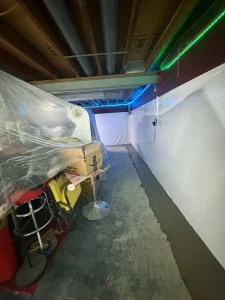
French drains and sump pumps support long-term foundation health by managing water. Their contributions include:
- Water Redirection: French drains redirect water away from the foundation, preventing water accumulation.
- Flood Prevention: Sump pumps are installed in the lowest part of the basement to pump out accumulated water, reducing the risk of flooding.
- Regular Maintenance: Ensuring these systems are regularly maintained is crucial for their effectiveness.
Effective water management is vital. Installing and maintaining French drains helps redirect surface water and groundwater away from the foundation, preventing saturation and hydrostatic pressure.
Additionally, sump pump systems provide a critical line of defense against flooding by collecting and removing water that enters the basement or crawl space.
What Financing and Insurance Options Are Available for Foundation Repairs?
Homeowners should be aware of financing and insurance considerations for foundation repairs:
- Homeowners Insurance: Typically does not cover foundation repair costs, as common exclusions include normal wear and tear and earth movement.
- Financing Options: Various financing options may be available to help homeowners manage repair costs.
- Understanding Policy Exclusions: It’s crucial for homeowners to understand their insurance policy’s exclusions regarding foundation repairs.
How to Choose a Professional Foundation Repair Service and What to Expect?
Choosing a professional foundation repair service is essential for ensuring quality work. Homeowners should consider the following:
- Verify Contractor Credentials: Ensure that the contractor is licensed and insured.
- Request Detailed Estimates: Obtain detailed estimates from multiple contractors to compare costs and services.
- Inquire About Repair Methods: Ask about the specific repair methods the contractor plans to use and their effectiveness.
What Credentials and Experience Should Homeowners Look For?
When choosing a foundation repair professional, homeowners should prioritize:
- Licensing: Verify that the contractor holds the necessary licenses to operate in your area.
- Experience: Look for contractors with a proven track record in foundation repair.
What Is the Typical Repair Process and Timeline?
Understanding the repair process and timeline helps homeowners prepare. Key steps include:
- Initial Inspection: A thorough assessment of the foundation to identify issues.
- Repair Timeline: The duration of repairs can vary based on the severity of the damage, with some repairs taking a few days to complete.
Understanding foundation repair costs enables homeowners to make informed decisions that preserve safety and stability. By recognising cost drivers and implementing preventative measures, you can budget appropriately and reduce the risk of future issues. Explore our expert services to keep your foundation secure and contact us to begin protecting your home.


Contact Information:
ARK Basement Services
4208 Harding Drive
Erie, PA 16509
United States
Mike Perry
(866) 939-2837
https://www.arkbasementservices.com/
